



Content Head and Video Creator, FirstLease
How D2C Brands are reshaping Retail Real Estate
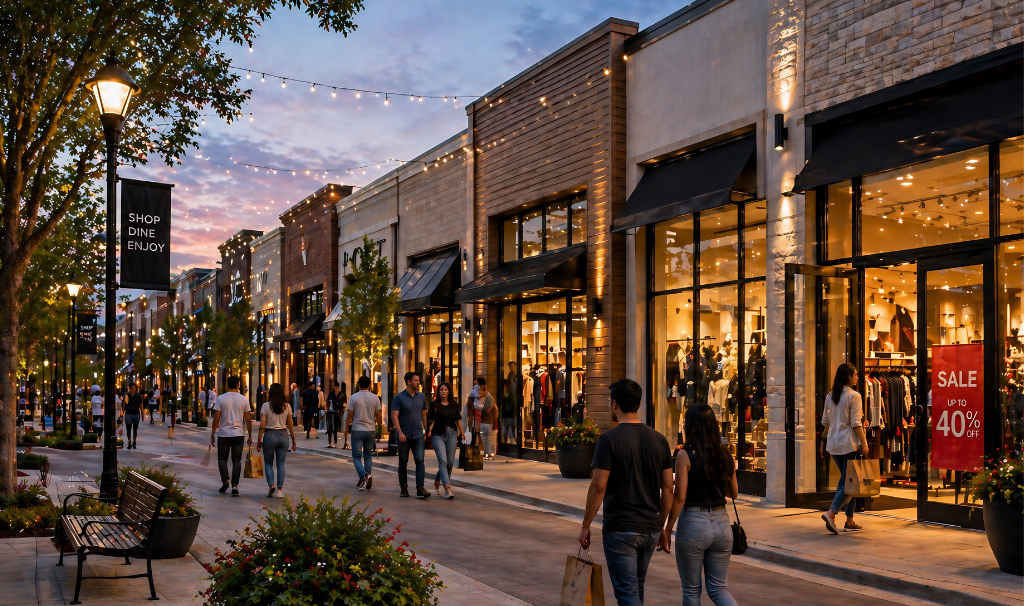
India’s Direct-to-Consumer (D2C) brands are changing the way retail works in a big way. Earlier, these brands were only selling online. But now, they are also opening physical stores. This shift is creating a strong impact on retail real estate across India.
At first, D2C brands focused only on websites and marketplaces. But over time, they realized that physical stores help build trust and give customers a better experience. Today, many online-first brands are opening stores to connect better with customers and improve brand visibility.
These brands are now entering malls, high streets, and mixed-use spaces. But their goal is not just selling products. They want to create a great experience for customers. Their stores are designed to tell a story, build a brand image, and make shopping more interactive. Because of this, retail spaces are slowly changing from simple shops to experience centers.
Key Ways D2C Brands are Changing Retail Real Estate:-
1. Stores Focused on Experience
D2C brands are not opening traditional stores. They are creating spaces where customers can touch, feel, and try products. The focus is more on experience than just selling.
2. Flexible Leasing is Increasing
D2C brands do not want long and fixed leases like traditional retailers. They prefer:
1. Short-term leases
2. Revenue-sharing models
3. Pop-up stores
This is forcing landlords to become more flexible.
3. Smaller but Smarter Stores
Instead of big stores, D2C brands prefer small stores in prime locations. These stores are well-designed and focus on visibility and customer experience.
4. Online + Offline Together (Omnichannel)
Physical stores are now connected with online platforms. Customers don’t really think about “online vs offline” anymore. For them, it’s all just shopping. Someone might check a product on their phone, see if it’s available nearby, and then walk into a store to pick it up. That kind of flow has become pretty normal now.
At the same time, D2C brands are slowly moving beyond metro cities. A few years ago, most of them were focused only on places like Delhi, Mumbai, or Bangalore. Now, Tier 2 and Tier 3 cities are getting a lot more attention. The demand is there, and in many cases, it’s growing faster than expected.
You can also notice changes in malls and high streets. It’s not just the big, established brands anymore. Newer D2C brands are showing up in the same spaces. It actually makes these places feel more interesting - there’s more variety, and people are curious to check out something new.
Another thing that’s becoming quite common is pop-up stores. Instead of jumping straight into long-term leases, brands are trying things out first. A short-term store, a temporary setup - just to see how the market responds. It’s a safer way to expand.
Changing Expectations in Retail Real Estate:
If you look at it from a real estate point of view, this shift is changing expectations.
Developers and landlords can’t rely only on traditional lease models anymore. There’s more demand for flexible terms, shorter commitments, and in some cases, even revenue-linked deals. Spaces also need to feel more engaging - just having a store is not enough.
For D2C brands, going offline is not just about selling more. It’s more about being visible and building trust. When people can actually walk in, see the product, maybe try it out - it changes how they look at the brand.
From a customer’s side, things are getting easier. You’re not stuck in one way of shopping. You can move between online and offline without thinking too much about it. That flexibility makes a big difference.
Challenges in this Shift:
That said, it’s not all simple.
Rent in prime locations is still expensive. Managing physical stores is very different from running an online business, and not every brand gets it right in the beginning. There’s also the challenge of keeping the experience consistent - what you see online should match what you experience in-store.
And when brands enter new cities, there’s always some uncertainty. What works in one place doesn’t always work somewhere else.
Future Outlook:
Going forward, retail in India will probably continue in this mixed format - part online, part offline.
Stores will become more experience-focused, and leasing will need to be more flexible. Technology will also play a bigger role, whether it’s inventory tracking or customer experience.
Companies like FirstLease are already working in this space, helping brands figure out where and how to expand, especially when the requirements are no longer traditional.
FAQs
1. What is driving the growth of D2C brands in India?
Better internet access, digital payments, and changing customer preferences are driving this growth.
2. Why are D2C brands opening physical stores?
To build trust, give customers a real product experience, and strengthen their brand.
3. How are D2C brands changing retail real estate?
They are increasing demand for flexible leases, smaller stores, and experience-based retail spaces.
4. What is omnichannel retail?
It means combining online and offline shopping for a smooth customer experience.
5. What challenges do D2C brands face in offline expansion?
High rents, operational issues, and maintaining a consistent brand experience.